Why Unani for Female Sexual Problem Treatment in Delhi

Female sexual health is a complex and often sensitive aspect of overall well-being, encompassing physical, emotional, and psychological dimensions. Many women in Delhi seek effective, holistic solutions for concerns ranging from low libido and arousal difficulties to pain during intercourse and infertility. Unani medicine, an ancient system with roots in Greco-Arab traditions and a rich history in India, offers a unique and comprehensive approach to health and healing. It emphasizes restoring the body's natural balance and supporting its inherent healing capabilities. This report explores why Unani medicine is a compelling choice for female sexual problem treatment in Delhi, delving into its foundational principles, diagnostic methods, diverse treatment modalities, and the robust healthcare infrastructure available. It will also highlight how Unani Hebal (unaniherbal.org) contributes to this landscape.
Unani medicine, often referred to as Yunani or Greco-Arab medicine, stands as a testament to ancient wisdom in healthcare, emphasizing a holistic and individualized approach to health and disease. Its enduring relevance, particularly in a metropolitan area like Delhi, stems from its deep philosophical roots and comprehensive understanding of the human body.
The origins of Unani medicine trace back to ancient Greece, around 460 B.C., with the revered philosopher and physician Hippocrates. He is credited with liberating medicine from the realm of superstition and magic, elevating it to a scientific discipline by attributing diseases to environmental factors such as air, food, seasonal changes, and earthly bodies, rather than supernatural causes. The theoretical framework of Unani medicine is fundamentally based on Hippocratic teachings, emphasizing observation, experience, and rational principles that remain pertinent in modern medical and scientific fields.
The system was further developed and enriched by the contributions of Arab and Persian scholars, most notably Ibn Sina (Avicenna), who integrated Greek, Roman, Persian, and Indian medicinal practices. This rich synthesis allowed Unani medicine to evolve into an elaborate medical science. It was introduced to India between the 12th and 13th centuries by Arabs, where it gained widespread acceptance among the masses and received significant patronage from various Sultans and Mughal Emperors, firmly rooting itself in Indian soil. This historical integration and wide acceptance underscore its cultural and practical significance in the Indian subcontinent.
The cornerstone of Unani medicine's philosophy is the "Humoral Theory" (Nazaria-e-Akhlat). This theory posits that the human body is composed of four primary fluids or "humours": Blood (Dam), Phlegm (Balgham), Yellow Bile (Safra), and Black Bile (Sauda). A state of health, known as Eucrasia, is achieved when these humours are in correct proportion and are well-mixed within the body. Conversely, illness, or Dyscrasia, arises when there is an imbalance in their quantity or quality, or a disorganization or discontinuity in the body's structure.
A crucial aspect of this theory, particularly relevant to female health, is that these "Humours" (Akhlat) are understood to encompass a broader range of body fluids, including those that modern medicine identifies as hormones. This traditional understanding provides a unique framework within Unani for addressing hormonal imbalances, which are frequently at the root of many female sexual health concerns.
Central to Unani diagnosis and treatment is the concept of "Mizaj" (Temperament). This refers to an individual's unique physical and physiological constitution, which is determined by the inherent proportion of their humours. Unani physicians believe that each person has a specific, balanced Mizaj from birth. Illness is considered a result of a disturbance or imbalance in this personal temperament, and the primary goal of Unani treatment is to identify the patient's Mizaj and then prescribe drugs, diets, and therapies with the opposite temperament to counteract the imbalance and restore health. This emphasis on individualized treatment, tailored to the patient's unique constitution, is a key differentiator and a significant advantage, especially for complex and highly personal conditions like female sexual problems.
Beyond humours and temperament, Unani medicine identifies seven natural factors, known as "Umoore Tabi'yah" (Integral Factors of Body Physique), which are believed to constitute the human being. These include Arkan (Human Elementology), Mizaj (Temperament), Akhlath (Body Humours), A'za (Body Organs), Arwah (Pneuma or Vital Spirit), Quwa (Faculties or Powers), and Afa'al (Body Functions). The harmonious interaction and balance of these seven components are considered essential for maintaining health.
Furthermore, Unani medicine places significant emphasis on "Asbabe Sittah Zarooriyah" (Six Essential Factors) for the maintenance of health and prevention of disease. These are: Ambient Air (Hawae Muheeth), Diets/Foods and Drinks (Makulat Wa Mashrubat), Physical Movement and Repose (Harkat Wa Sukoon Al Badaniyah), Mental Movement and Repose (Harkat Wa Sukoon Al Nafsaniyah), Sleep and Wakefulness (Naum Wa Yaqzah), and Elimination or Retention of Body Excreta (Istefragh Wa Ehtebas). This comprehensive focus on environmental, dietary, physical, mental, and excretory factors highlights Unani's proactive, preventive health philosophy. It demonstrates that Unani is not merely about curing illness but about maintaining overall wellness through a balanced lifestyle.
At the heart of Unani's therapeutic philosophy lies the concept of "Tabiyat," which refers to the body's inherent self-healing power or natural defense system. Unani physicians, known as Hakims, believe their role is primarily to assist this innate healing capacity, rather than simply suppressing symptoms. This approach empowers the patient by emphasizing their internal resources for recovery, fostering a sense of agency and active participation in their healing journey. This collaborative and supportive model of care can be particularly beneficial for sensitive and often psychologically influenced areas like sexual health.
The holistic principles of Unani, including the humoral theory, Mizaj, Umoore Tabi'yah, and Asbabe Sittah Zarooriyah, collectively provide a profoundly personalized and preventive approach to health. This intricate framework allows Unani practitioners to identify subtle imbalances unique to each individual and tailor treatments accordingly. This depth of understanding is particularly advantageous for female sexual problems, which frequently stem from complex and interconnected physical, psychological, and environmental factors. The emphasis on "Tabiyat" further underscores a patient-centric philosophy, where the individual's unique constitution and inherent healing abilities are central to the therapeutic process. This comprehensive and individualized approach sets Unani medicine apart, offering a nuanced and effective pathway to well-being.
Unani medicine offers a distinct and comprehensive framework for understanding and addressing female sexual problems, moving beyond a purely symptomatic view to delve into the underlying imbalances of the individual.
Unani medicine explicitly recognizes and addresses a wide spectrum of female sexual problems, which are often categorized under broader concepts of humoral imbalance and organ weakness. These include:
· Low Sexual Desire (Hypoactive Sexual Desire Disorder): Characterized by a persistent or substantial lack of interest or desire for sexual activity.
· Sexual Arousal Disorder: Involves difficulty in becoming or remaining sexually aroused, often manifesting as insufficient vaginal lubrication or decreased genital sensation.
· Orgasmic Disorder (Anorgasmia): Defined as persistent or recurrent difficulty in achieving orgasm despite sufficient sexual arousal and ongoing stimulation.
· Painful Intercourse (Dyspareunia): Refers to persistent or recurring pain experienced before, during, or after sexual activity. This can be linked to factors such as vaginal dryness, infections, or pelvic floor muscle issues.
· Vaginal Dryness: A common complaint, especially during menopause, which is often associated with hormonal changes and can lead to discomfort during intercourse.
· Infertility (Uqr/Banjhpan): The inability to conceive, which Unani attributes to various factors including congenital defects of the uterus and ovaries, obesity, and specific humoral imbalances (Su'i Mizaj-e-Rahem, Su'i Mizaj-e-Madde Manwia, Fasad e Mani leading to faulty ovum production or conception difficulty).
· Gynecological Disorders: Unani medicine also provides treatments for a wide range of gynecological conditions such as Polycystic Ovary Syndrome (PCOS), ovarian cysts, follicular cysts, bulky uterus, hypertrophied cervix, cervical erosion, amenorrhoea (absence of menstruation), dysmenorrhoea (painful menstruation), menorrhagia (heavy menstrual bleeding), and Pelvic Inflammatory Disease (PID). These conditions are often intrinsically linked to female sexual health, directly or indirectly impacting sexual function and satisfaction.
The diagnostic process in Unani medicine is holistic and deeply personalized. Unani practitioners, known as Hakims, initiate treatment by conducting a comprehensive evaluation of the patient's overall health, taking into account their physical condition, psychological state, and lifestyle factors.
The primary diagnostic methods involve clinical observation, with a significant focus on pulse reading (Nabz), and the examination of urine (Baul) and stool (Baraz). These observations help the Hakim determine the balance of the four bodily humours and, crucially, identify the individual's unique Mizaj (temperament). Understanding the patient's specific Mizaj is considered paramount, as it guides the tailoring of treatment plans to suit their individual constitution and the root causes of their ailments. This personalized approach ensures that treatment is not a one-size-fits-all solution but is uniquely adapted to the patient's needs.
From a Unani perspective, sexual dysfunctions are fundamentally rooted in imbalances within the body's humours and temperament. This traditional system acknowledges the profound and interconnected influence of various factors on sexual health.
Psychological factors are given significant weight, with stress, anxiety, emotional detachment, and relationship issues recognized as major contributors to sexual difficulties. Unani medicine incorporates psychological support and counseling to address these emotional and mental aspects, fostering overall well-being alongside physical treatment. A notable aspect of Unani is its non-stigmatizing approach to sexual behaviors, including masturbation, focusing instead on addressing any physical or psychological issues that may arise from them. This creates a safe and empathetic environment for patients to discuss sensitive concerns, which is critical for effective treatment of sexual problems.
Physical causes, such as hormonal imbalances, blood flow disorders, and various gynecological conditions, are also central to the Unani understanding of sexual dysfunction. Lifestyle factors, including diet, exercise, sleep patterns, and even the quality of ambient air, are considered vital for maintaining health and can contribute to imbalances that manifest as sexual problems.
Unani's diagnostic framework, which integrates traditional methods like pulse reading and humoral assessment with a holistic evaluation of physical, psychological, and environmental factors, provides a profoundly comprehensive understanding of female sexual problems. This multi-dimensional diagnostic approach is particularly well-suited for conditions that often defy single-cause explanations, allowing for more nuanced and individualized treatment strategies. The system's non-stigmatizing view on sexual health issues further promotes open dialogue and effective treatment, fostering a therapeutic relationship built on trust and understanding.
Unani medicine employs a multi-pronged approach to restoring sexual health, focusing on re-establishing the body's natural equilibrium through various therapeutic modalities. This comprehensive strategy aims to address the root causes of sexual dysfunction, rather than merely alleviating symptoms.
Ilaj bil Tadbeer, meaning "treatment through special regimen," is a unique and fundamental method in Unani medicine aimed at both health preservation and curing illnesses. This therapy involves systematic plans and physical methods designed to detoxify the body, purify the blood, and enhance the body's natural defense mechanisms. While specific detailed applications for female sexual dysfunction are not extensively outlined in all available information, general methods of Ilaj bil Tadbeer are widely utilized and can be adapted for various conditions, including those impacting sexual health:
· Massage (Dalak): Used to promote blood circulation, relax muscles, and improve overall vitality.
· Cupping (Hijama): A therapeutic procedure involving the application of cups to the skin to create suction, used for detoxification and drawing blood to the surface.
· Sitz Bath (Abzan): A traditional hydrotherapy technique involving immersing the pelvic region in warm water or herbal decoctions. Abzan offers localized relief for pelvic and perineal conditions, alleviating pain, inflammation, itching, and swelling, and promoting wound healing and hygiene. Its mechanism involves warmth, hydration, relaxation, and improved circulation to the affected area. Common herbs used in Abzan therapy include chamomile, neem, yarrow, witch hazel, senna, and alum.
· Exercise (Karat): Emphasizes balanced physical activity to strengthen the body's internal resistance and support Tabiyat (self-healing power).
· Purgation (Ishaal) and Emesis (Qai): These eliminative therapies are used to evacuate excess or vitiated humours from the body, as seen in treatments for conditions like premature ejaculation, which can be adapted for other humoral imbalances.
Dietotherapy, or Ilaj bil Ghiza, involves prescribing specific dietary plans and regulating food intake to treat ailments and maintain health. Unani practitioners often recommend dietary changes to support sexual health, incorporating foods believed to have aphrodisiac properties or those that regulate hormonal imbalances, reduce inflammation, and support organ health. For instance, a balanced diet rich in nutrients and hydration is encouraged. Conversely, certain foods, such as excessive meat and haemopoietic diets, or substances like alcohol, may be restricted based on the patient's condition and Mizaj. This personalized dietary approach ensures that the body receives the necessary nourishment to restore balance and vitality.
Pharmacotherapy, or Ilaj bil Dawa, is the use of medicines by Unani Hakims, which are primarily sourced from nature, including plants, minerals, and animal products. Unani medicine often prefers single drugs or their combinations in raw forms over complex compound formulations. These medicines are often considered natural, eco-friendly, less intrusive, and effective.
Unani pharmacotherapy for female sexual health utilizes a wide array of herbs and natural compounds, many of which are known for their aphrodisiac, tonic, or balancing properties. These include:
· Ashwagandha (Withania somnifera): Recognized as an adaptogenic herb, it promotes balance in key body systems, including endocrine, reproductive, and immune systems. It is used to enhance female libido, reduce stress and anxiety, and support overall vitality.
· Shatavari (Asparagus racemosus): Known as a female health enhancer, it supports libido, fertility, and the overall female reproductive system. It is beneficial for menstrual cycles, ovulation, childbirth, and menopausal symptoms like hot flashes and vaginal dryness due to its natural phytoestrogen content.
· Ginseng (Panax ginseng): Used to increase nitric oxide levels, improve blood flow, and enhance sexual functioning, particularly in menopausal women, and generally boosts energy and stamina.
· L-Arginine: An amino acid that improves sexual desire and satisfaction by increasing blood flow to the clitoris and vagina, enhancing orgasm, clitoral sensation, and vaginal lubrication. It works by boosting nitric oxide production.
· Gingko Biloba: Aids in increasing blood circulation, which can help with sexual dysfunction, and is traditionally used to increase sexual energy.
· Saffron (Zafran): A natural ingredient believed to enhance sexual health and improve overall vitality.
· Other notable herbs:
o Safed Musli (Asparagus Adscendens): Renowned for its aphrodisiac properties, boosting libido and improving sexual performance and vitality.
o Konch (Mucuna pruriens): Contains L-DOPA, which plays a role in sexual arousal and pleasure, and helps improve sperm quality and motility.
o Nutmeg (Jaiphal) and Mace: Possess aphrodisiac properties, aiding in treating erectile dysfunction by improving blood flow and sperm quality, and increasing libido.
o Red Clover (Trifolium pratense) and Chasteberry (Vitex agnus-castus): Contain plant-based estrogens that may improve vaginal health, lubrication, and sexual satisfaction, particularly in postmenopausal women.
o Vitex negundo (Sambhalu/Nirgundi): While often used for female reproductive system disorders, it is also noted for its property of "decreasing sexual desire". This highlights a crucial nuance in Unani pharmacotherapy: treatments are highly individualized and aim for
balance of humours and temperament, not a blanket increase in sexual function. In some cases, modulating an excess of sexual desire or related issues might be the therapeutic goal.
Unani medicine utilizes various compound formulations, which combine multiple herbs and natural ingredients to achieve synergistic effects:
· For Infertility: Formulations like Habbe Hamal, Majune Moine Hamal Ambari, Dawa-ul-Misk Motadil, and Majune Suparipak are used. These oral medicines are considered uterine tonics (Muqavvi Rahem) and ovulation-inducing (Muallid e Mani), working by improving blood circulation and strengthening vital organs. Local applications (humool) with ingredients like Roghan e Chambeli, Zafran, and Sufoof e Inderjau Shireen are also employed. Case studies, while anecdotal, have reported successful conceptions within a few months of treatment with these formulations.
· For Vaginal Health: Hamdard's "Arusak" is a patented medicine designed to restore and tone lax and sagging vaginal muscles and manage leucorrhoea (vaginal white discharge). Unani Herbal offers
Hooleukorin for leucorrhoea, which acts as a uterine tonic, gynecian remedy, anti-spasmodic, and improves circulation and nutrition to reproductive organs. It also addresses associated sterility, backache, and malaise. Other formulations for vaginal dryness may include local application creams with ingredients like Aloe vera, Olive oil, and Karanj oil.
· For General Sexual Vitality: Formulations like Arq-e-Amber are used to strengthen vital organs (heart, brain, liver), eliminate mental fatigue, and improve overall vigor and sexual power. Majun Ard Khurma and Habbe Amber Momyaee, while mentioned for male sexual problems, offer general benefits like enhancing libido, stamina, and blood circulation, and addressing sexual weakness, which are broadly applicable to female sexual health.
Unani medicine profoundly recognizes the interconnectedness of physical and psychological well-being in sexual health. Therefore, lifestyle modifications and psychological support are integral components of treatment:
· Stress and Anxiety Management: Stress significantly impacts sexual function. Unani practitioners advise stress-reduction techniques, relaxation exercises, and counseling to address psychological factors contributing to sexual dysfunction. Meditation practices are also recommended to improve overall health and reduce stress, thereby positively impacting sexual function.
· Regular Exercise and Adequate Sleep: Engaging in regular physical activity and ensuring sufficient rest are emphasized to support overall health and improve sexual function.
· Behavioral Techniques: For specific issues like premature ejaculation (and by extension, other control-related sexual concerns), Unani medicine may incorporate behavioral techniques such as the start-stop method.
· Psychological Counseling: Unani practitioners provide counseling and psychological support to address emotional or psychological distress associated with sexual difficulties, including issues like low self-esteem or relationship problems. This holistic inclusion of mental health aspects is crucial for treating the sensitive and often complex nature of female sexual problems.
The multi-modal approach of Unani medicine, integrating regimental therapies, dietotherapy, pharmacotherapy with a rich array of herbs and formulations, and comprehensive lifestyle and psychological support, provides a robust framework for addressing female sexual problems. This breadth of approach acknowledges the often intertwined physical and psychological roots of these conditions, leading to more sustainable and holistic improvements in well-being. The identification of plausible mechanisms for many herbal remedies, such as improving blood flow, balancing hormones, and acting as nervine tonics, helps bridge the gap between traditional wisdom and contemporary scientific understanding, enhancing the credibility of Unani's therapeutic strategies.
Delhi, as the capital of India, benefits from a well-developed and regulated Unani healthcare infrastructure, which provides a credible and accessible pathway for individuals seeking treatment for female sexual problems.
The Indian government has demonstrated a significant commitment to promoting and regulating traditional medicine systems, including Unani. The Ministry of Ayush, established in 2014, is the apex body responsible for developing education, research, and propagation of traditional and alternative medicine systems in India. This ministry's emphasis on indigenous healthcare models, as reflected in successive Five-Year Plans, underscores a national recognition of Unani's potential contribution to public health. The government's vision includes integrating AYUSH systems with modern medicine, a concept sometimes referred to as 'cross-pathy'.
The regulatory landscape for Unani medicine in India is robust, ensuring quality and accountability. The Central Council of Indian Medicine (CCIM), now replaced by the National Commission for Indian System of Medicine (NCISM) since June 2021, is a statutory body operating under the Ministry of Ayush. It is responsible for prescribing minimum standards of education, recommending the recognition of medical qualifications, maintaining a Central Register of Indian Medicine, and establishing professional conduct and ethics for practitioners. This rigorous oversight ensures that Unani practitioners are qualified and adhere to professional benchmarks, building patient confidence and safety.
At the state level, the Delhi Bharatiya Chikitsa Parishad is a statutory body established by the Government of NCT of Delhi. Its mandate includes granting registration to qualified Ayurvedic and Unani practitioners and maintaining a State Register. Registration with this Parishad is mandatory for practicing Indian System of Medicine (Ayurveda & Unani) in NCT of Delhi. This local regulatory body further reinforces the legitimacy and accountability of Unani practice within the capital.
Consumer protection is also a priority. The Pharmacovigilance Program for Ayurvedic, Siddha, Unani and Homoeopathy (ASU & H) Drugs monitors and reports misleading advertisements to State Regulatory Authorities. The
Drugs and Magic Remedies (Objectionable Advertisements) Act, 1954, prohibits exaggerated claims. The Ministry of Ayush has issued public notices urging the public to avoid unverified claims, and the Department of Consumer Affairs (DoCA) maintains the
Grievances Against Misleading Advertisements (GAMA) portal. Furthermore, the "Ayush Suraksha" online portal, launched in May 2025, allows healthcare professionals and the public to track reported misleading advertisements and Adverse Drug Reactions (ADRs). These comprehensive measures demonstrate a concerted effort by the government to legitimize and standardize AYUSH systems, enhancing consumer trust and promoting responsible practice.
Beyond regulation, significant efforts are underway to build the evidence base for Unani medicine. The Central Council for Research in Unani Medicine (CCRUM), headquartered in New Delhi and operating under the Ministry of Ayush, is the apex research organization dedicated to pioneering research and development in Unani Medicine since 1978.
CCRUM boasts a robust network of 23 research centers across the nation, with state-of-the-art facilities accredited by prestigious agencies like NABH and NABL, and GMP-certified pharmacies. Its mission is to foster innovative research, promote excellence, and contribute to healthcare through evidence-based practices. The Council has made notable strides in:
· Drug Standardization: Developing pharmacopeial standards for 338 single and 200 compound drugs, ensuring quality assurance.
· Research on Fundamentals: Conducting over 30 studies to validate core Unani principles, aiming to align traditional theories with modern biology.
· Clinical Research: Completing 130 randomized clinical trials and around 50 projects on clinical validation of drugs, with 70 more in progress. These initiatives are vital for providing evidence-based validation for Unani formulations.
· Publications: Publishing recognized journals like the Hippocratic Journal of Unani Medicine and Jahan-e-Tib.
These substantial research and standardization efforts by CCRUM directly address the common criticism of traditional medicine lacking rigorous scientific validation. This commitment to evidence-building enhances Unani's credibility and its potential for wider acceptance, particularly for conditions like female sexual problems where multi-faceted and validated approaches are increasingly sought. The ongoing research helps bridge the gap between traditional wisdom and modern scientific understanding, solidifying Unani's position as a recognized and evolving healthcare system.
Delhi offers a wide and accessible network of Unani healthcare providers, catering to various health needs, including sexual health.
· Government Hospitals and Institutions: The A&U Tibbia College and Hospital in Karol Bagh, New Delhi, is a 150-bedded government hospital providing free medical care through the Unani system. It features a dedicated Department of Amraz-e-Niswan-wa-Qabalat (Gynaecology & Obstetrics), which offers services such as counseling for infertility, treatment for infertility with Unani medicines, and treatment for general gynecological disorders with Unani medicines. This institutional support provides a credible and accessible pathway for women seeking Unani care for reproductive and sexual health. The
Unani Medical Centre at VMMC & Safdarjung Hospital, New Delhi, also lists an Obstetrics and Gynaecology department, further indicating government support for Unani in major healthcare settings. Additionally,
Jamia Hamdard University in Delhi houses a dedicated "Amraz –e- Niswan –wa- Qabala (Obstetrics & Gynae)" department, signifying formal education and specialized knowledge in female reproductive health within Unani.
Unani Hebal (unaniherbal.org) plays a role in the Unani healthcare landscape of Delhi, particularly concerning sexual health. Founded in New Friends Colony, Delhi, in 2005 by Dr. Aslam Javed, Unani Hebal positioned itself as one of the first modern Unani clinics in the city. The clinic explicitly states its focus on "personal health of mankind in all respect specially for HIV/AIDS, Sex problem, Diabetes, Skin care, Piles and other diseases," indicating a direct engagement with sexual health concerns.
While comprehensive details on all specific products or services offered by Unani Hebal for female low libido, arousal disorder, or painful intercourse are not explicitly detailed in the provided information , the organization does offer specific treatments for related female reproductive health issues. For instance, Unani Hebal provides Hooleukorin for vaginal white discharge, also known as Leucorrhoea. Hooleukorin is a Unani Leucorrhoea Herbal Treatment, with a composition including herbs like Rubia Cordifolia, Nigilla Sativa, and Iron Bhasma processed with various other herbs. Its efficacy is noted for leucorrhoea, associated sterility, backache, malaise, and functional uterine bleedings. The medicine functions as a uterine tonic, a gynecian remedy, relieves irritation of reproductive organs, improves circulation, corrects impaired nutrition, and acts as an anti-spasmodic. This detailed product information demonstrates how Unani Hebal applies Unani principles to address specific female reproductive health issues that can impact sexual well-being.
The institutional support from the Ministry of Ayush, coupled with the robust regulatory bodies like NCISM and the Delhi Bharatiya Chikitsa Parishad, establishes a strong foundation for quality assurance and practitioner legitimacy within Unani medicine. This comprehensive framework, alongside the active research initiatives by CCRUM, works to build public trust and enhance the scientific credibility of Unani. The widespread availability of Unani services in Delhi, encompassing both government hospitals with specialized departments and a thriving private clinic sector, ensures that individuals have accessible and trusted options for their healthcare needs. The presence of highly experienced practitioners and positive patient testimonials further reinforces Unani's established and valued role in the city's healthcare ecosystem.
Unani medicine presents a compelling and comprehensive option for female sexual problem treatment in Delhi. Its deep historical roots, coupled with a holistic and individualized philosophy, offer a unique approach to health and healing. The core principles of Humoral Theory (Akhlat) and Temperament (Mizaj) enable Unani practitioners to diagnose and treat female sexual dysfunctions by addressing underlying imbalances in the body's constitution, including those related to hormones. This patient-centric model, which empowers the body's innate self-healing capacity (Tabiyat), is particularly well-suited for the complex and often sensitive nature of female sexual health concerns.
Unani's multi-modal treatment approach, encompassing Regimental Therapy (Ilaj bil Tadbeer), Dietotherapy (Ilaj bil Ghiza), Pharmacotherapy (Ilaj bil Dawa) with a rich pharmacopeia of natural herbs and compound formulations, and crucial lifestyle and psychological support, provides a comprehensive framework. This integrated strategy addresses the physical, emotional, and psychological dimensions of female sexual problems, from low libido and arousal disorders to painful intercourse, infertility, and related gynecological conditions. The specific herbs and formulations employed often have plausible mechanisms that align with modern physiological understanding, enhancing their credibility.
Furthermore, the robust healthcare infrastructure and regulatory environment in Delhi and India provide a strong foundation for Unani medicine. The Ministry of Ayush, along with regulatory bodies like NCISM and the Delhi Bharatiya Chikitsa Parishad, ensures standardized education, practitioner registration, and consumer protection. The significant research efforts by CCRUM contribute to building an evidence base, further validating Unani practices. The widespread accessibility of Unani services in Delhi, through both government hospitals with specialized gynecology departments and a thriving network of private clinics with experienced practitioners and positive patient feedback, underscores its established and trusted presence.
Organizations like Unani Hebal contribute to this
landscape by offering specialized services and products, demonstrating the
practical application of Unani principles in addressing specific female health
issues. Overall, Unani medicine offers a viable, holistic, and increasingly
recognized pathway for women in Delhi seeking comprehensive and personalized
solutions for their sexual health and well-being.
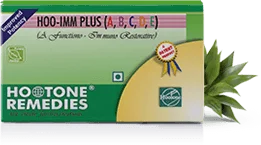
The HOO-IMM PLUS (A, B, C, D, E) is an absolutely new, novel, pioneering and revolutionary concept from Unani Herbal to medical science. It is a very safe, efficacious Indian medicine for the relief of AIDS according to the degree & stage of affliction.
View More